Process Unit

Process Unit & Pipeline Drying

Process Unit & Pipeline Drying

Process Unit & Pipeline Drying

Air and nitrogen drying to reach the dew point required for restart.

Air and nitrogen drying to reach the dew point required for restart.

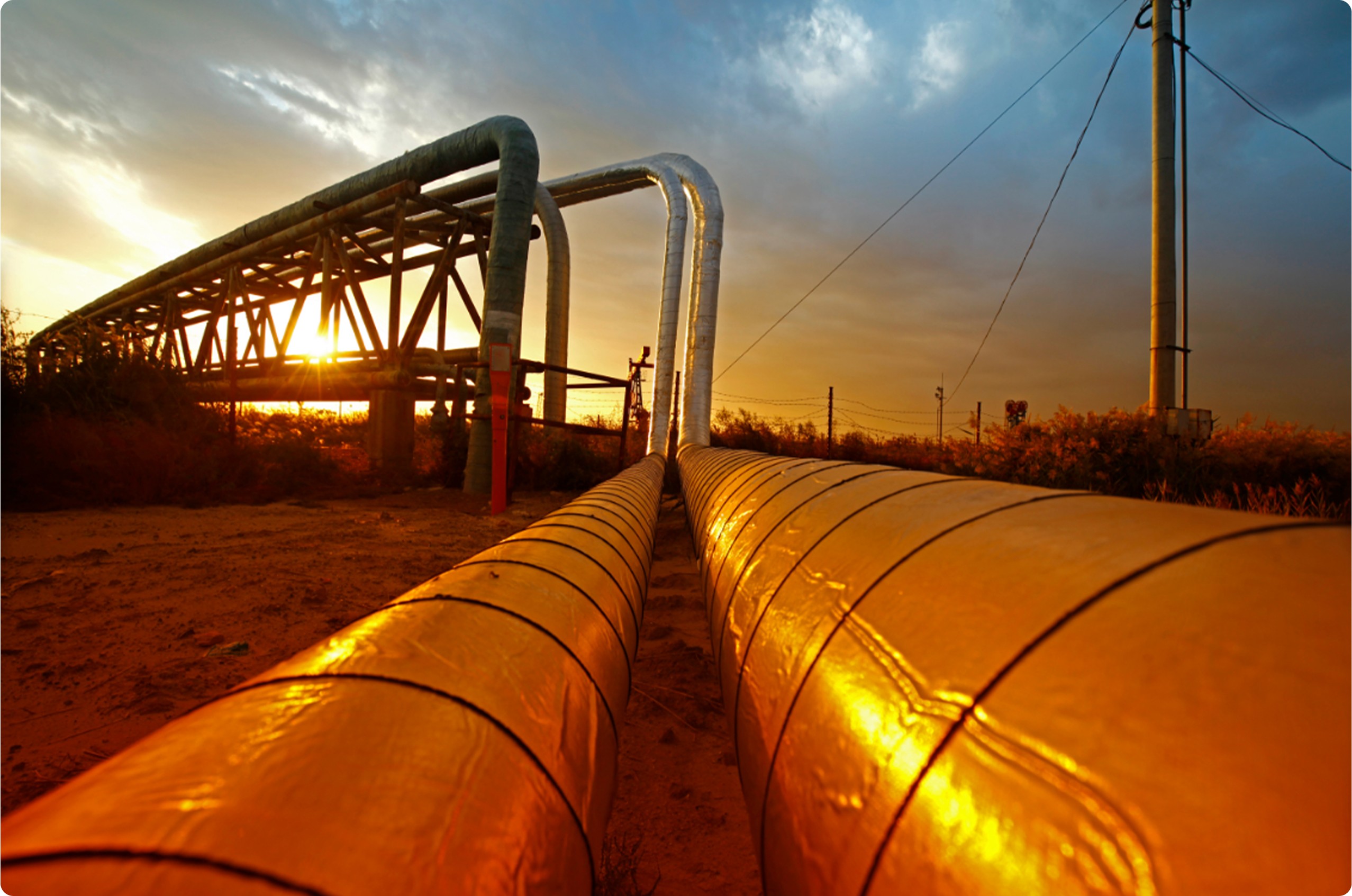
Above-ground pipelines at sunset

Introduction

Introduction

Residual moisture inside pipelines, vessels, and process equipment can lead to corrosion, product contamination, and operational hazards. Before maintenance or recommissioning, it is essential to completely eliminate liquids and humidity to preserve system integrity and ensure safety.


At Ynoptia, our Drying Services are engineered to efficiently remove moisture, protect assets, and prepare systems for safe operations in compliance with strict industry standards.
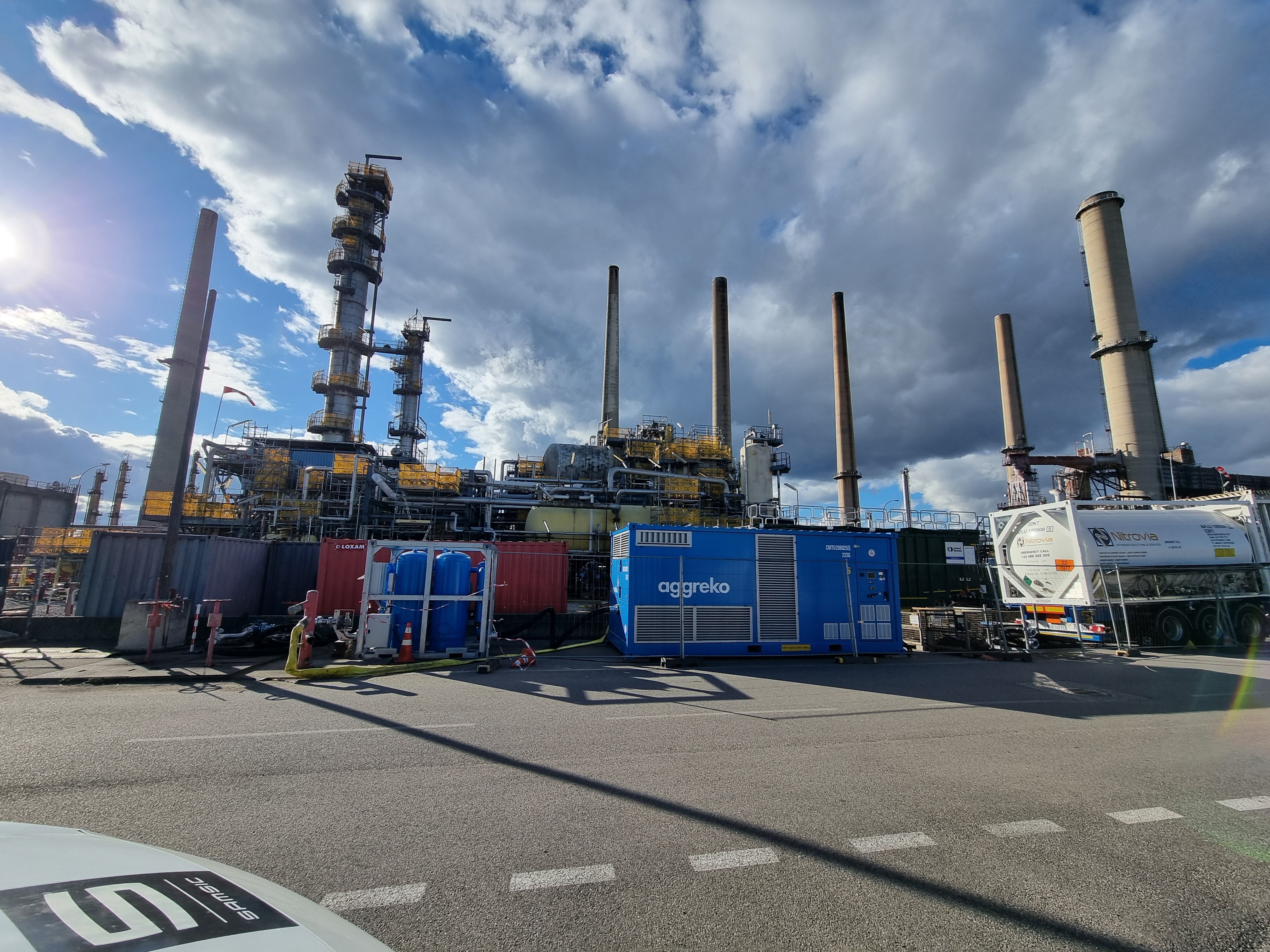
Drying and nitrogen equipment deployed at an industrial plant for process unit drying

We employ advanced drying techniques including:

We employ advanced drying techniques including:

Moisture sensors and humidity monitors are used throughout the process to verify drying efficiency.

Moisture sensors and humidity monitors are used throughout the process to verify drying efficiency.

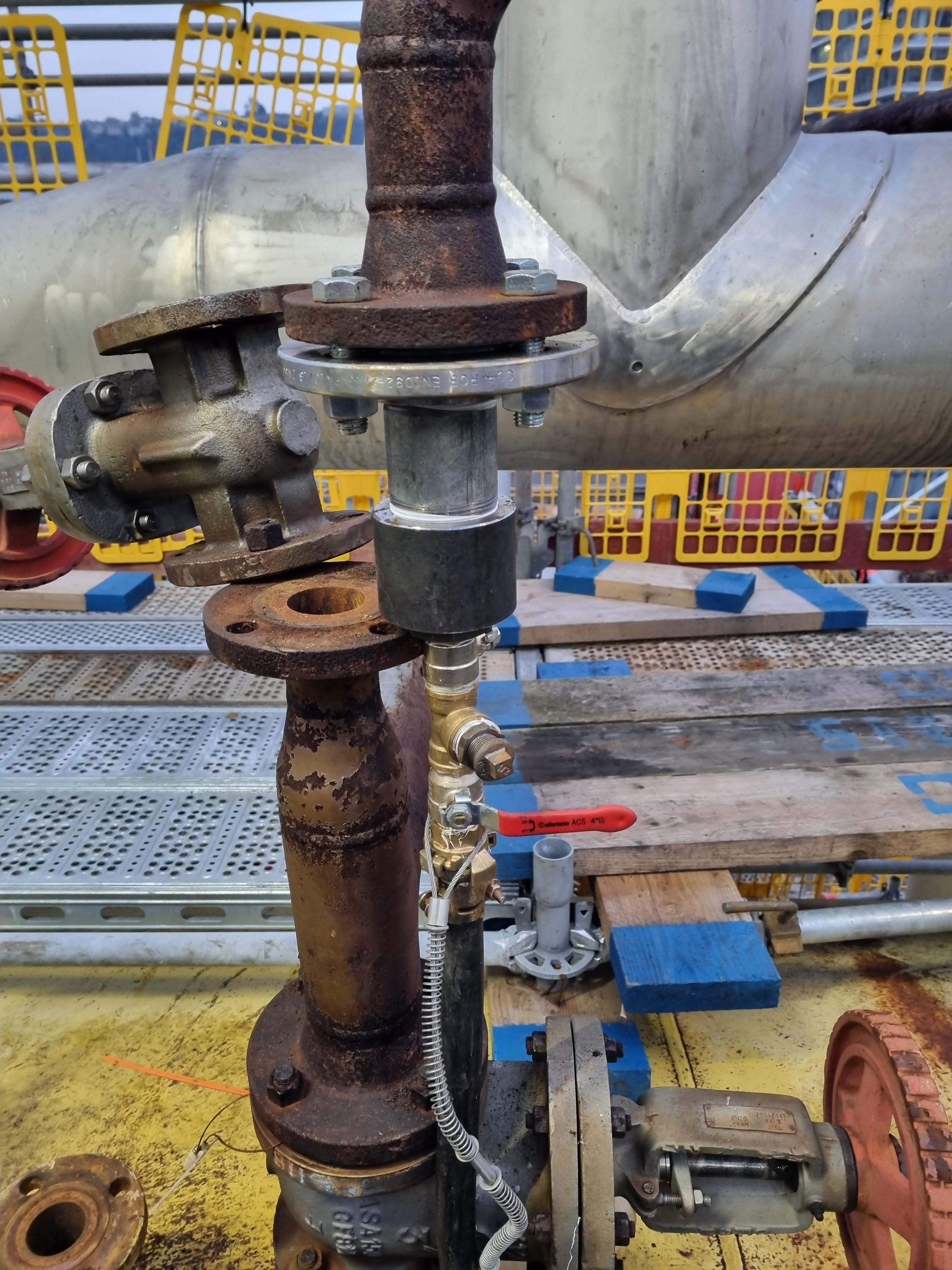
Pipe flange and valve on a process unit prepared for drying

Why Choose YNOPTIA for Process Unit Drying

Why Choose YNOPTIA for Process Unit Drying

Typical Applications

Typical Applications

01.

Chemical reactors and pipelines

01.

Chemical reactors and pipelines

02.

Petrochemical and refinery systems


02.

Petrochemical and refinery systems


03.

Oil and gas export pipelines


03.

Oil and gas export pipelines


04.

Power plant condensate lines


04.

Power plant condensate lines


05.

Storage tanks and vessels


05.

Storage tanks and vessels


Pipeline and Process Unit Drying FAQ

Pipeline and Process Unit Drying FAQ

Why must a pipeline or vessel be dried after a hydrotest?

Water left behind after a hydrostatic test can cause internal corrosion, hydrate formation in gas lines, product contamination and off-spec start-up. Drying removes free water and brings the internal atmosphere down to the dew point required by the operator.


Which drying methods does YNOPTIA use?

We first remove free water with foam or disc pigs, then dry the line or equipment with dry air or nitrogen. The method is chosen according to the diameter, length, required dew point and site constraints.


How is the end of drying verified?

The dew point is measured at the outlet throughout the operation. Drying is complete when the value specified by the operator is reached and remains stable over a hold period.


Can drying be followed by nitrogen inerting?

Yes. Drying is often followed by nitrogen inerting or preservation so that the line stays dry and safe until commissioning. YNOPTIA can carry out the whole sequence on site.

Dry Systems. Safe Operations.

Dry Systems. Safe Operations.

Choose Ynoptia’s Advanced Drying Solutions


Choose Ynoptia’s Advanced Drying Solutions


Enhancing Manufacturing Documentation

Copyright © 2026 YNOPTIA. All Rights Reserved.

Copyright © 2026 YNOPTIA. All Rights Reserved.

Copyright © 2026 YNOPTIA. All Rights Reserved.

Introduction
Approach
Benefits
Applications